
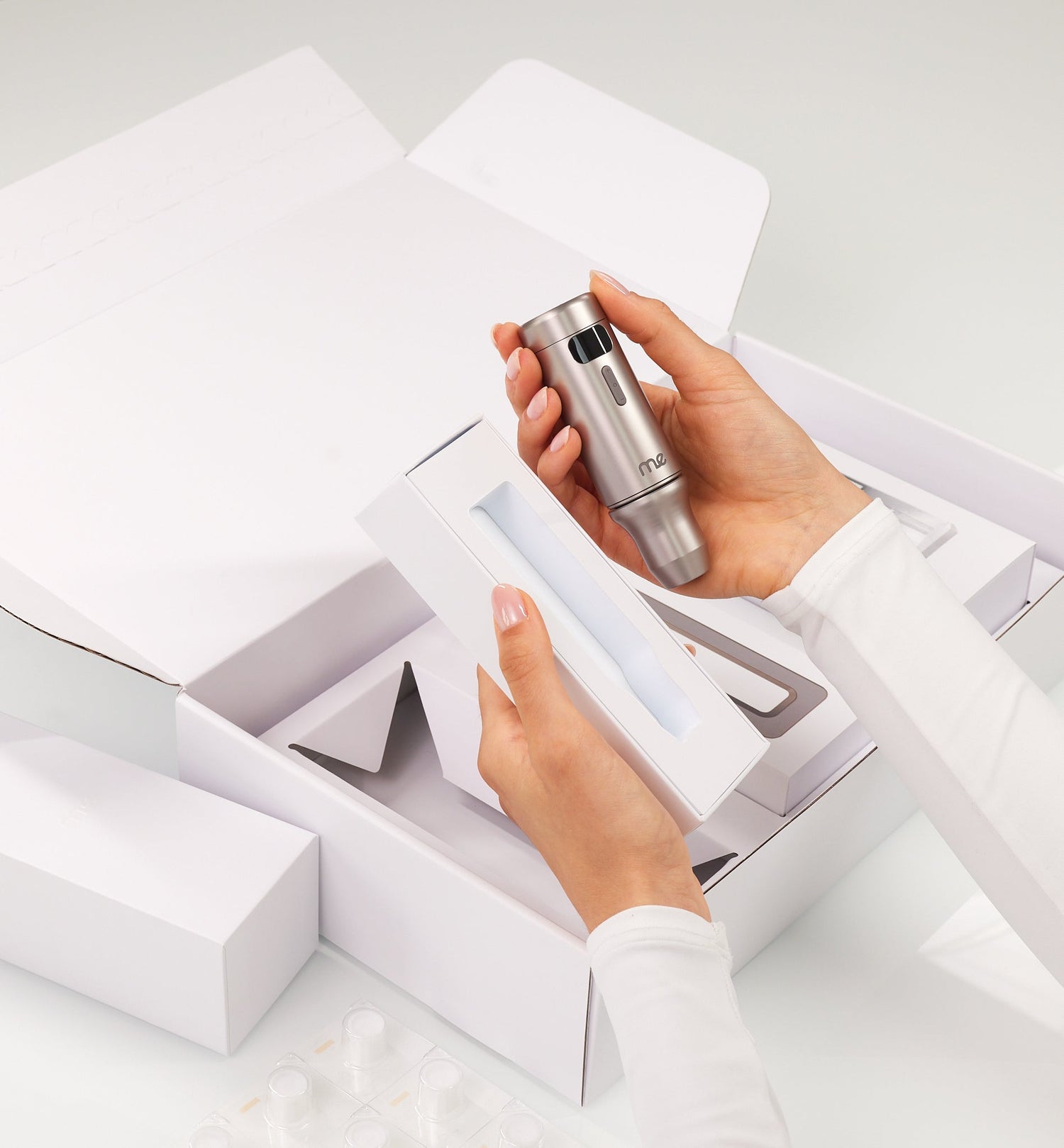
This is one of the most frequently asked questions in the PMU industry. However, the answer is not as simple as it may seem.
There is no single best permanent makeup machine for every artist. There are, however, devices engineered for predictable and consistent performance, and others whose design forces the artist to constantly compensate for their limitations. It is not a matter of preference. It is a matter of design and engineering.
The problem is that the consequences of a poorly designed device are rarely borne by its manufacturer. They are borne by the PMU artist, who struggles with uneven pigment implantation, increased tissue trauma, longer procedure times, or unpredictable healed results. Ultimately, the consequences are experienced by the client - the final link in the entire treatment process.
In 2026, the best devices are no longer defined by the highest voltage, the highest claimed motor power, or the most aggressive marketing. Their quality is determined by how they behave during actual work in the skin- stability under load, the way energy is transferred to the needle, ergonomics, and the ability to achieve predictable, healed results.
Why Is Choosing a PMU Device More Difficult Than Ever?
The PMU industry is evolving rapidly. Every year, new devices enter the market, and most manufacturers promote very similar specifications:
-
Brushless, coreless, or brushed motors described as "customised" or "high-end"
-
Adjustable stroke (5-in-1!)
-
2.8 mm, 3.0 mm or 3.5 mm stroke
-
Voltage adjustment
-
Wireless operation
-
Lightweight aluminum housing
At first, they all look very similar, which is why artists often focus on price, appearance, and ergonomics. The problem is that we compare devices based on their technical specifications, assuming that more features automatically mean better quality.
This is one of the biggest misconceptions in the PMU industry.
A specification sheet tells you what is inside the device, but it rarely explains how the device actually behaves during treatment.
Needle stroke, voltage, claimed motor power, operating frequency, or weight do not answer the questions that truly matter.
-
Does the needle remain stable under load?
-
Is energy transferred into the skin in a predictable manner?
-
How does the device behave during tens of thousands of pigment implantations performed throughout a single procedure?
-
How does it affect tissue trauma, artist comfort, and healed results?
A specification sheet answers none of these questions.
This is precisely why two machines with almost identical specifications can perform completely differently. They may require a different hand technique, create different levels of tissue trauma, implant pigment differently, and produce completely different healed results.
Many of them, in our opinion, should never have reached the general market.
A device is not a collection of specifications.
It is a system.
Why Do Artists Describe Devices Differently Than Manufacturers?
Interestingly, manufacturers usually talk about voltage, motors, or needle stroke, while artists describe devices in a completely different language.
"This machine feels soft."
"This one feels stiffer."
"This one glides smoothly."
"This one doesn't implant pigment well."
"This one vibrates."
"This one tires my hand."
These are not random descriptions.
They are the sensory language experienced artists have used for years to describe how a device behaves during pigmentation.
For many years, these descriptions were treated as purely subjective opinions.
We looked at them differently.
To us, they were not opinions.
They were data.
We began asking questions.
What makes one device feel softer?
Why does one perform better for lip pigmentation while another excels in hairstroke techniques?
Why do two devices with almost identical specifications create completely different sensations during treatment?
We discovered that behind this sensory language lie very specific mechanical, electronic, and dynamic phenomena.
We translated that sensory language into the language of engineering.
That is how Motion Control™ was born.
Motion Control™ is not another operating mode or a marketing feature.
It is the result of understanding why artists perceive devices the way they do and translating those observations into measurable engineering solutions.
We didn't design settings.
We designed the behaviour of the device.
What Really Determines the Quality of a PMU Machine?
Every permanent makeup procedure consists of tens of thousands of individual pigment implantations - each one visible as a single dot.
Every one of those implantations should behave as consistently as possible.
That is why a professional PMU device should provide:
-
Stable needle movement under load
-
Predictable energy transfer
-
Minimal, controlled vibration
-
High implantation control
-
Even pigment saturation
-
Reduced tissue trauma
-
Shorter procedure times
-
Predictable healed results
These are the factors that truly influence an artist's work- not simply a list of technical specifications.
How Do You Recognize a Professional PMU Device?
Before purchasing a device, ask the manufacturer a few simple questions.
-
Why was the device designed this way?
-
Can the manufacturer explain how its engineering solutions influence the behaviour of the device in the skin?
-
Is the product's development based on real-world experience from professional artists?
-
What does the service process look like, and are spare parts readily available?
-
Does the manufacturer continue to improve the product after launch, or does it simply release new models?
If the answers are vague or rely only on marketing claims, it's worth being cautious.
Where Does ME™ Fit Into This?
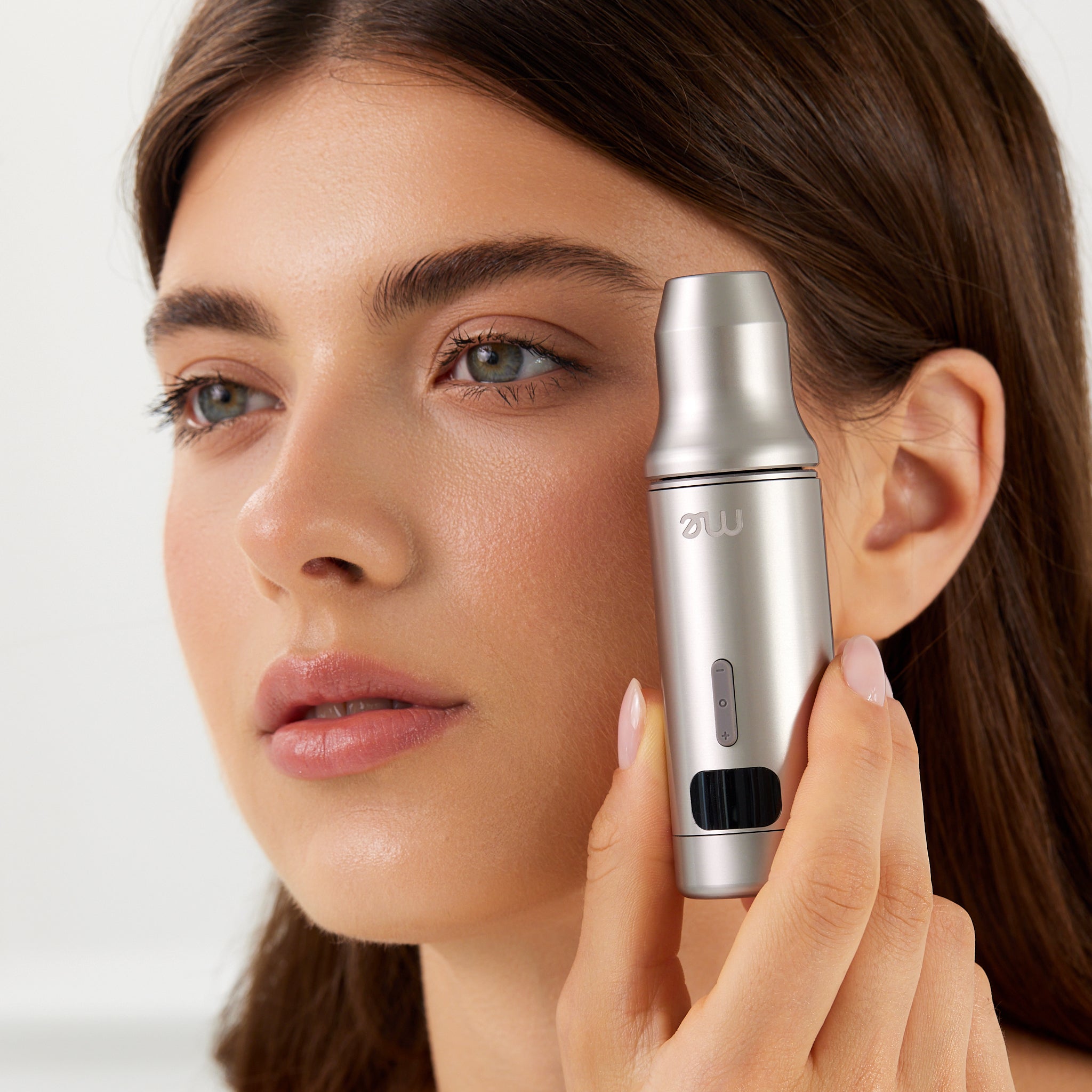
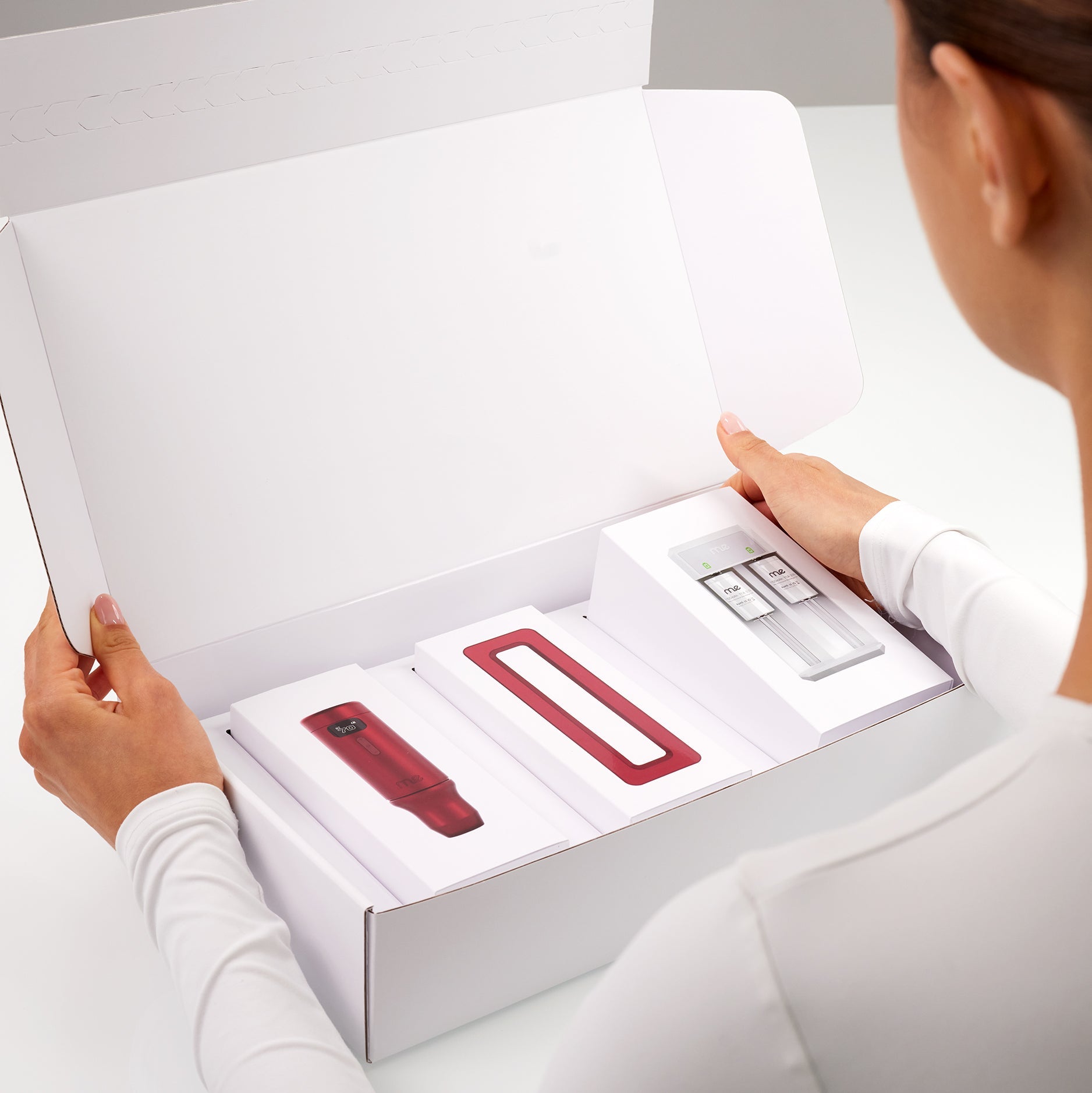
ME™ was not created to become just another permanent makeup machine in an already highly competitive market.
It was created because, for years, we observed the same problem.
Artists changed pigments, cartridges, techniques and voltage settings, constantly searching for an answer to one question:
Why does one treatment heal beautifully while another, performed using exactly the same technique, does not?
We came to the conclusion that one fundamental question was rarely being asked.
What if the limitation isn't the technique- but the device itself?
That question marked the beginning of four years of ME™ development.
We did not design the device around a specification sheet.
We designed it around what the artist feels in the hand and what actually happens to the needle the moment it interacts with the skin.
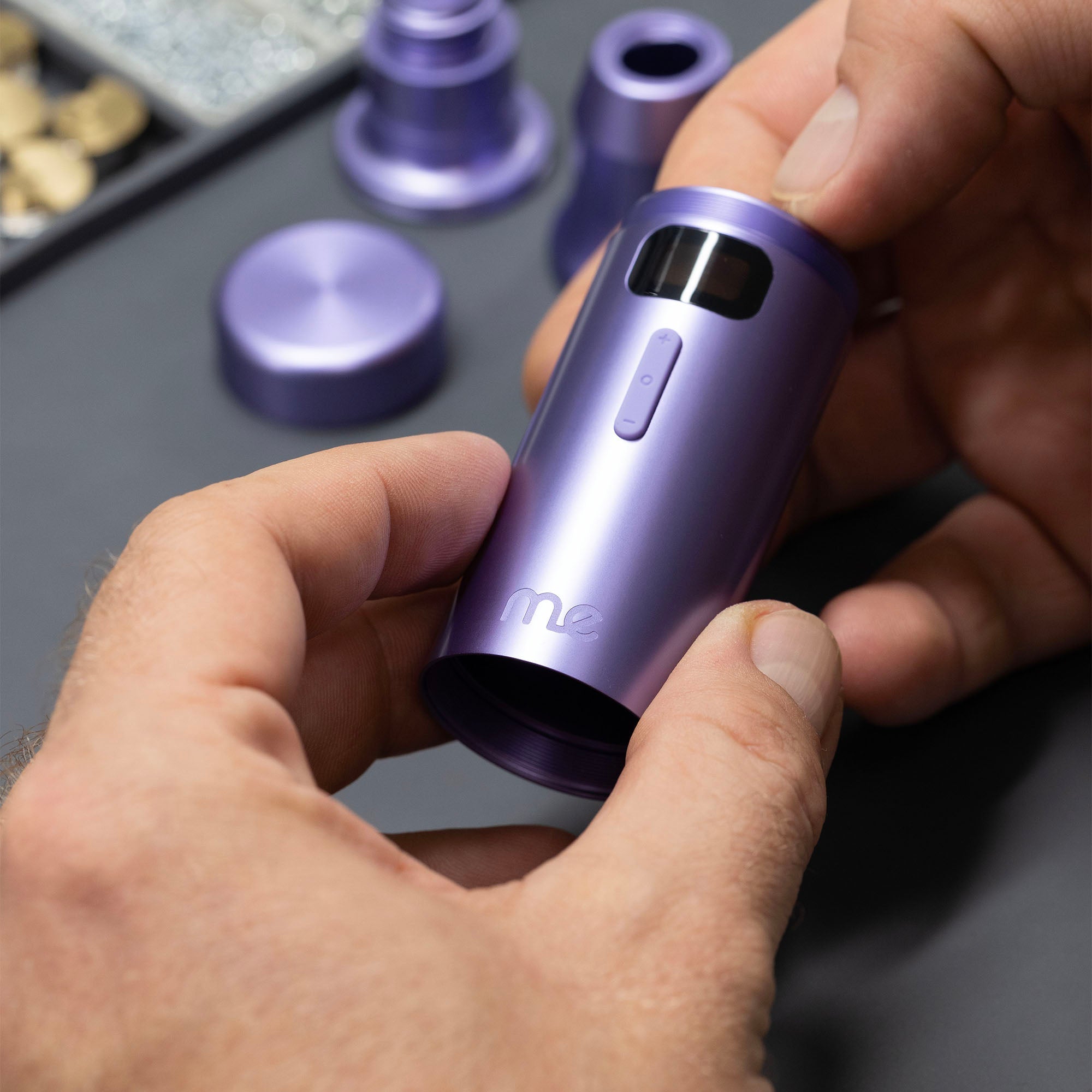
It was the analysis of the artists' sensory language that ultimately led to the development of Motion Control™ - a system that allows the behaviour of the device to be intentionally engineered rather than left to chance.
ME™ is the result of four years of collaboration between engineers and PMU professionals, more than two years of real-world market validation, and over 3,000 devices working every day in clinics around the world (as of July 7, 2026).
The best solutions are not created behind a desk based on assumptions or guesses.
They are created by listening to artists, understanding their language, and translating it into engineering solutions.
Is ME™ the Best PMU Machine in 2026/2027?
Ultimately, every artist will answer that question for themselves.
However, if the criteria include the way a device behaves during treatment, the quality of its engineering, the ability to intentionally shape its movement characteristics, development driven by the experience of thousands of professionals, and long-term manufacturer support, then ME™ belongs among the most technologically advanced PMU devices available today.
The best permanent makeup machine is not the one with the longest list of features or the most impressive specification sheet.
It is the one that allows the artist to stop thinking about the device itself and focus entirely on creating beautiful, predictable, and consistent healed results.
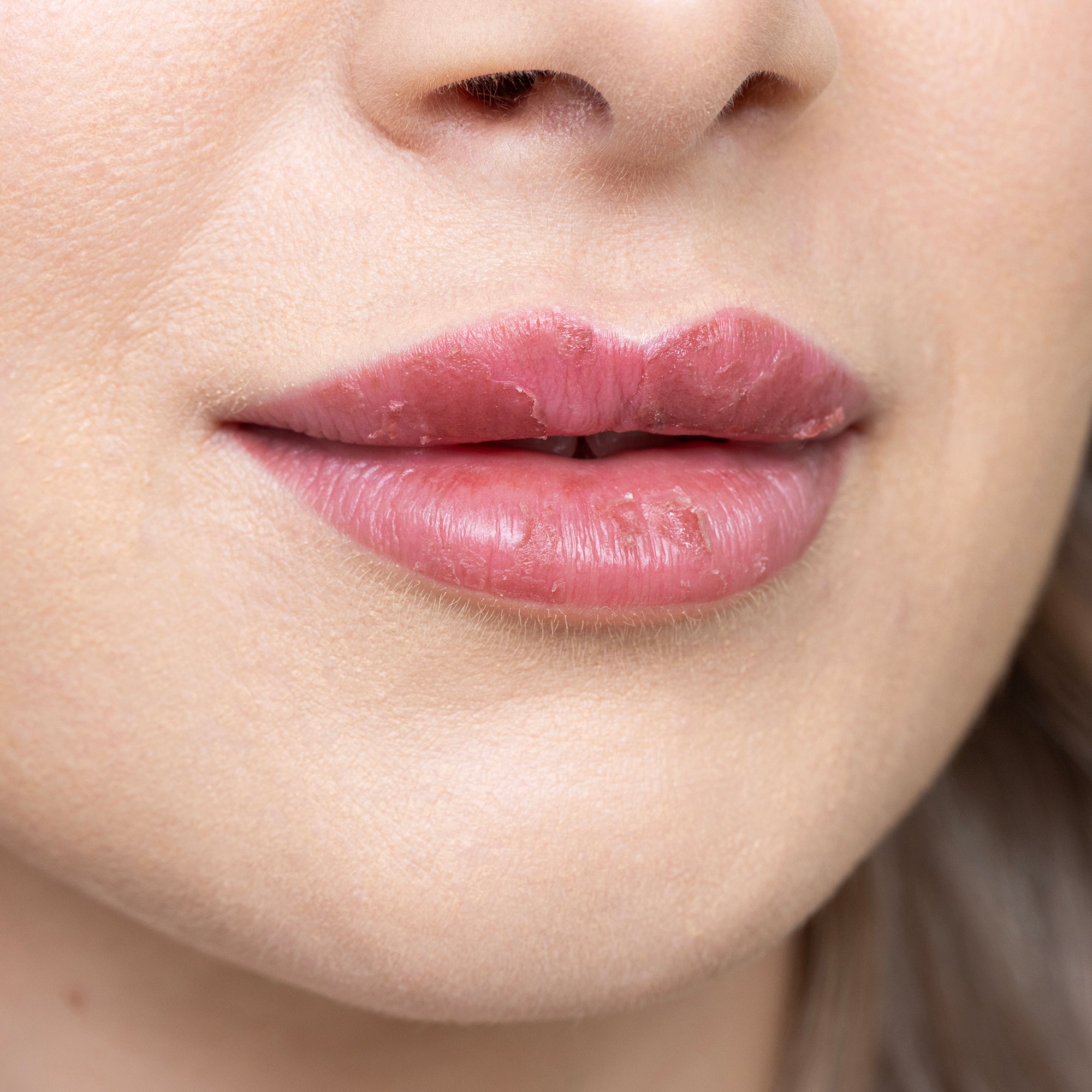
The work created by artists using ME™, together with the healed results achieved after just the first procedure, is the strongest proof of the effectiveness of our device.

Leave a comment
All comments are moderated before being published.
This site is protected by hCaptcha and the hCaptcha Privacy Policy and Terms of Service apply.