
Too Light and Too Heavy Hand in Permanent Makeup – How to Find the Right Balance
You’ve probably come across the terms “heavy hand” or “light hand” in the context of permanent makeup especially when referring to the way pigmentation procedures are performed. These terms describe how an artist works with the client’s skin and how they control hand pressure and device movement during pigmentation.
Finding the right balance between the two is crucial it determines the quality of pigment implantation, the healed appearance, and the skin’s comfort during the procedure.
Too Light Hand
The term “light hand” refers to artists who work very delicately, sometimes too superficially as if they were only brushing the surface of the skin. While delicacy is essential in permanent makeup, it’s important to distinguish between controlled, gentle work and work that is too light.
When the pressure is too weak or movements are inconsistent, the pigment remains in the epidermis instead of reaching the proper layer of the dermis. The result is poor retention, faster fading after healing, and an overall unsatisfactory outcome.
Working too lightly often comes from fear, fear of going too deep, oversaturating the area, or causing trauma to the client’s skin. Sometimes it simply results from a lack of technical knowledge or a poor sense of working depth. However, a hand that is too light always leads to the same result the pigment doesn’t stay in the skin, and healed results are minimal.
Too Heavy Hand
Working with a heavy hand means applying too much pressure to the skin.
Such work tends to be strong and forceful, often leading to over-saturation, color change after healing, and undesired pigmentation effects. In the end, the result is an over-pigmented effect, which often requires correction or even removal.
Artists sometimes increase pressure because they’re afraid that the pigment won’t stay in the skin. In other cases, it’s because their device isn’t powerful enough to overcome the skin’s natural resistance, so they instinctively press the needle harder.
Very often, the root cause is a lack of control, lack of understanding of skin response, incorrect choice of pigments or cartridges, or simply not understanding how the machine works. Excessive pressure is never the solution. What truly matters is understanding your device, choosing the right needle and pigment, and adjusting your technique to the specific skin type you’re working on.
Finding Balance — The “Sweet Spot”
Finding your sweet spot the perfect balance between being too light and too heavy is one of the most important skills in permanent makeup. Every pigment, device, and skin type requires a slightly different approach. You need to apply enough pressure to reach the correct depth but still softly enough to respect the skin’s structure and allow it to heal properly.
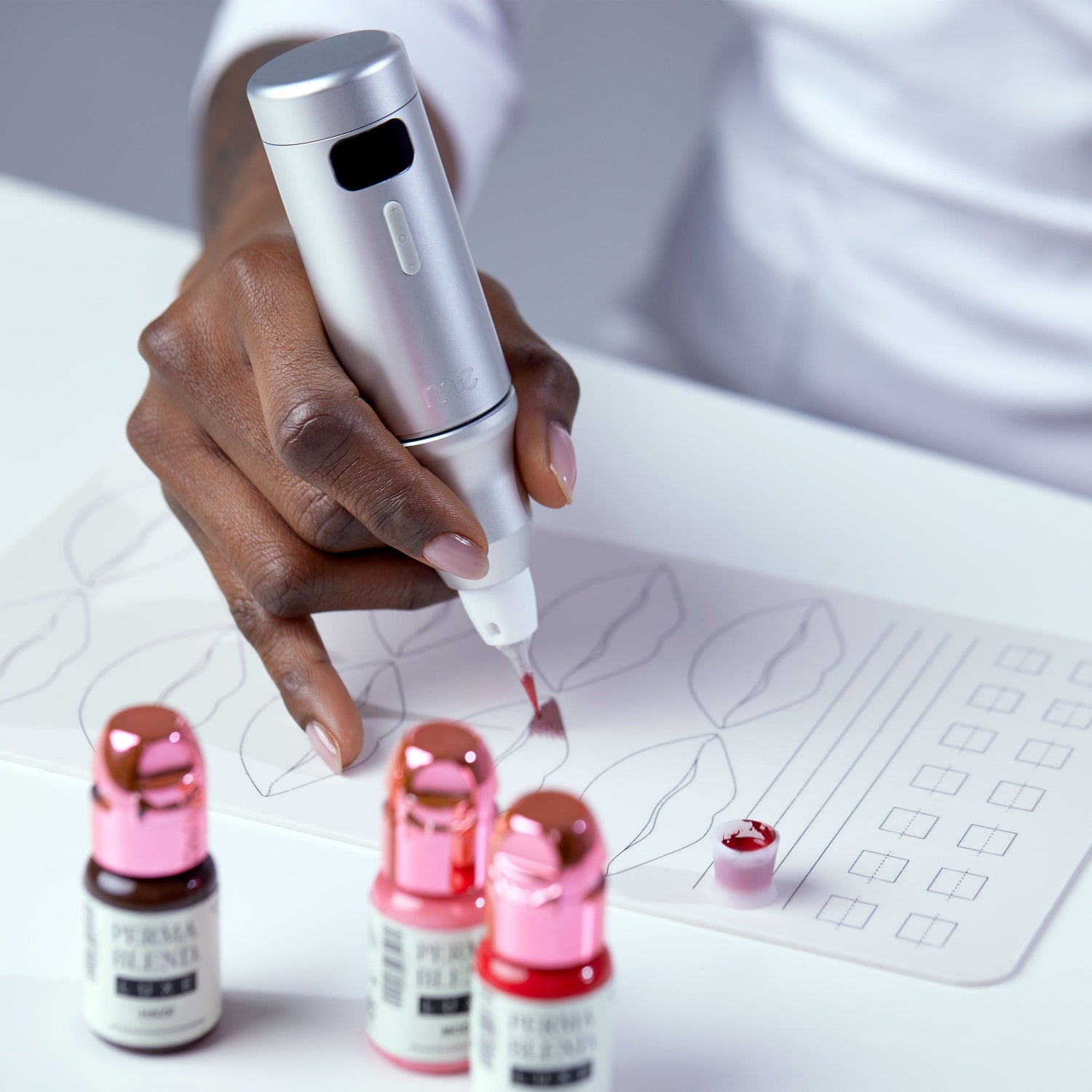
Developing this balance takes awareness and practice. Working on latex skins helps identify technical mistakes and build consistent movement before working on real clients.
If the pigment doesn’t stay in the skin or your healed results are inconsistent, it’s a signal to analyze your technique not to excuse it by saying you have a “light” or “heavy” hand. Awareness, observation, and adaptability are key to growth.
Understanding Your Machine
Your device is not just a tool it’s an integral part of your technique.
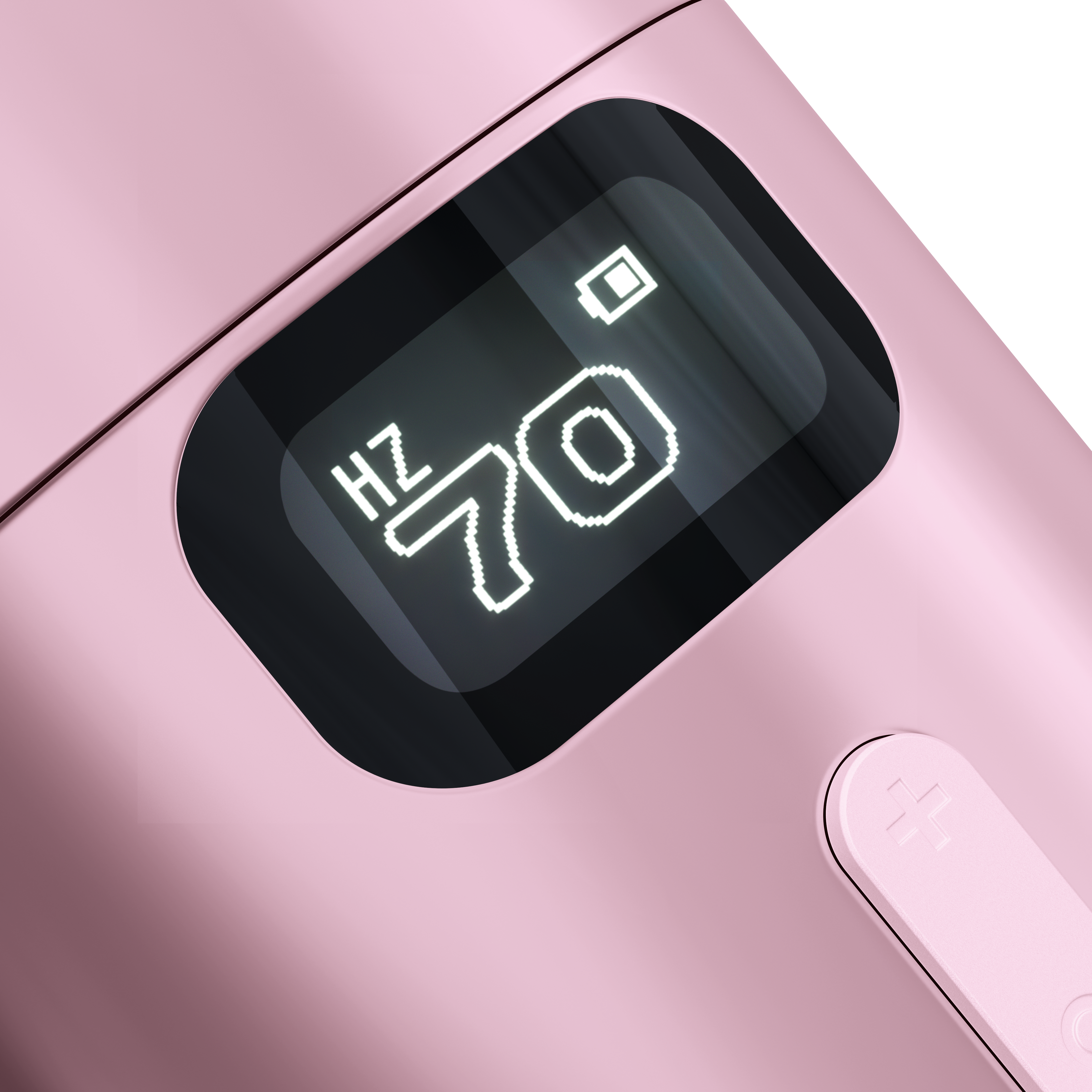
Some machines require greater pressure because their motor or drive system cannot effectively handle the skin’s resistance. That’s why it’s so important to understand the mechanics of your device its motor type, torque, stroke, and the motion of the needle.
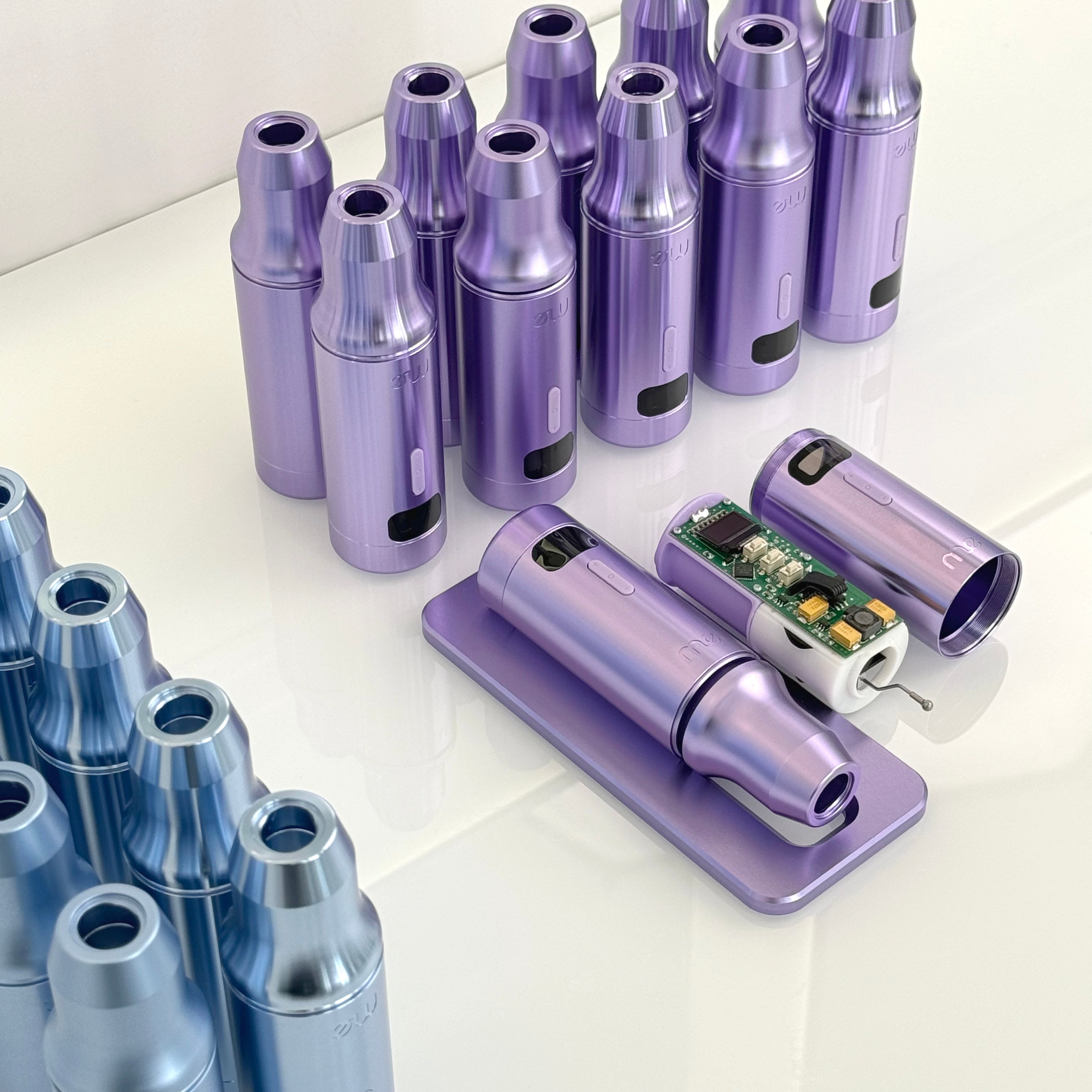
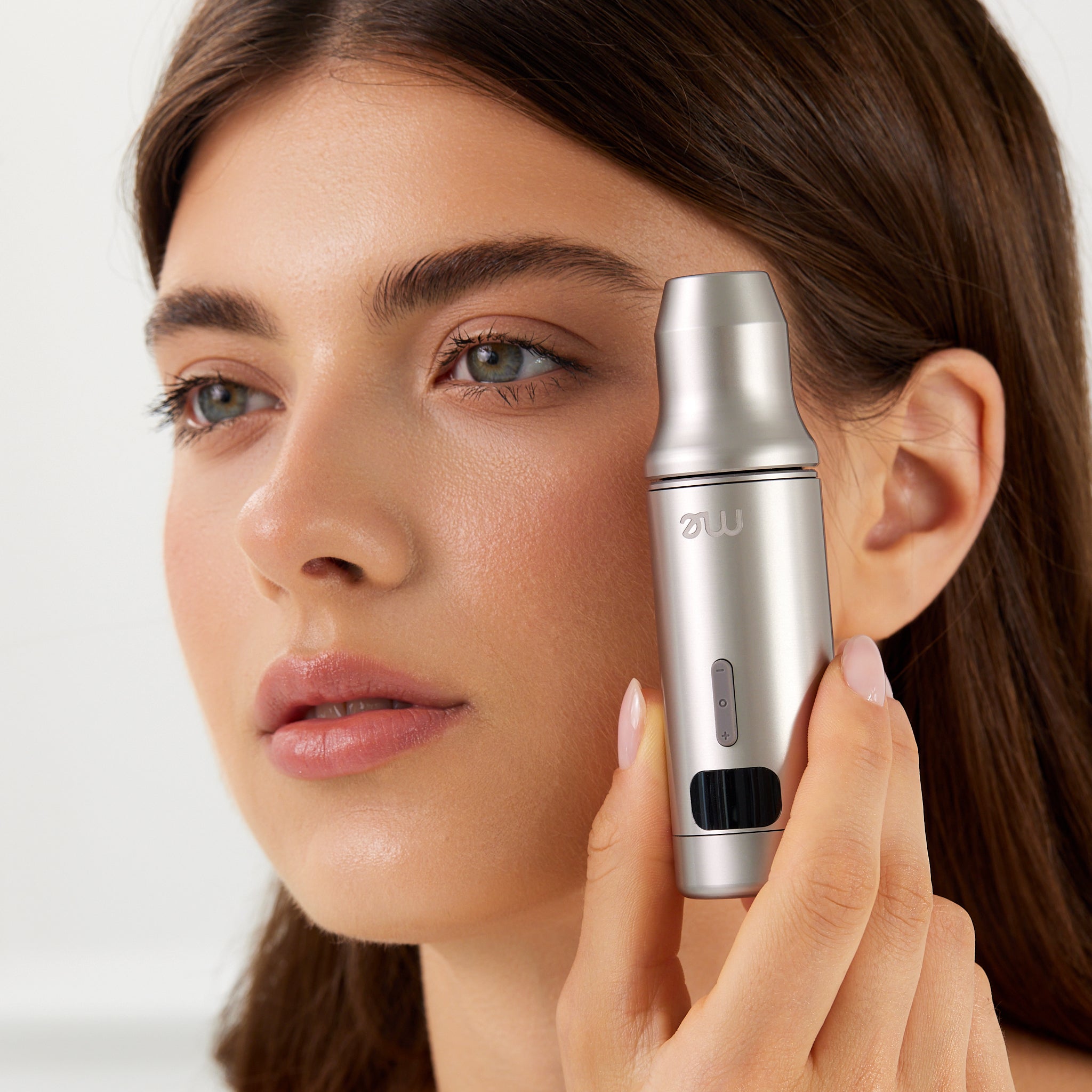
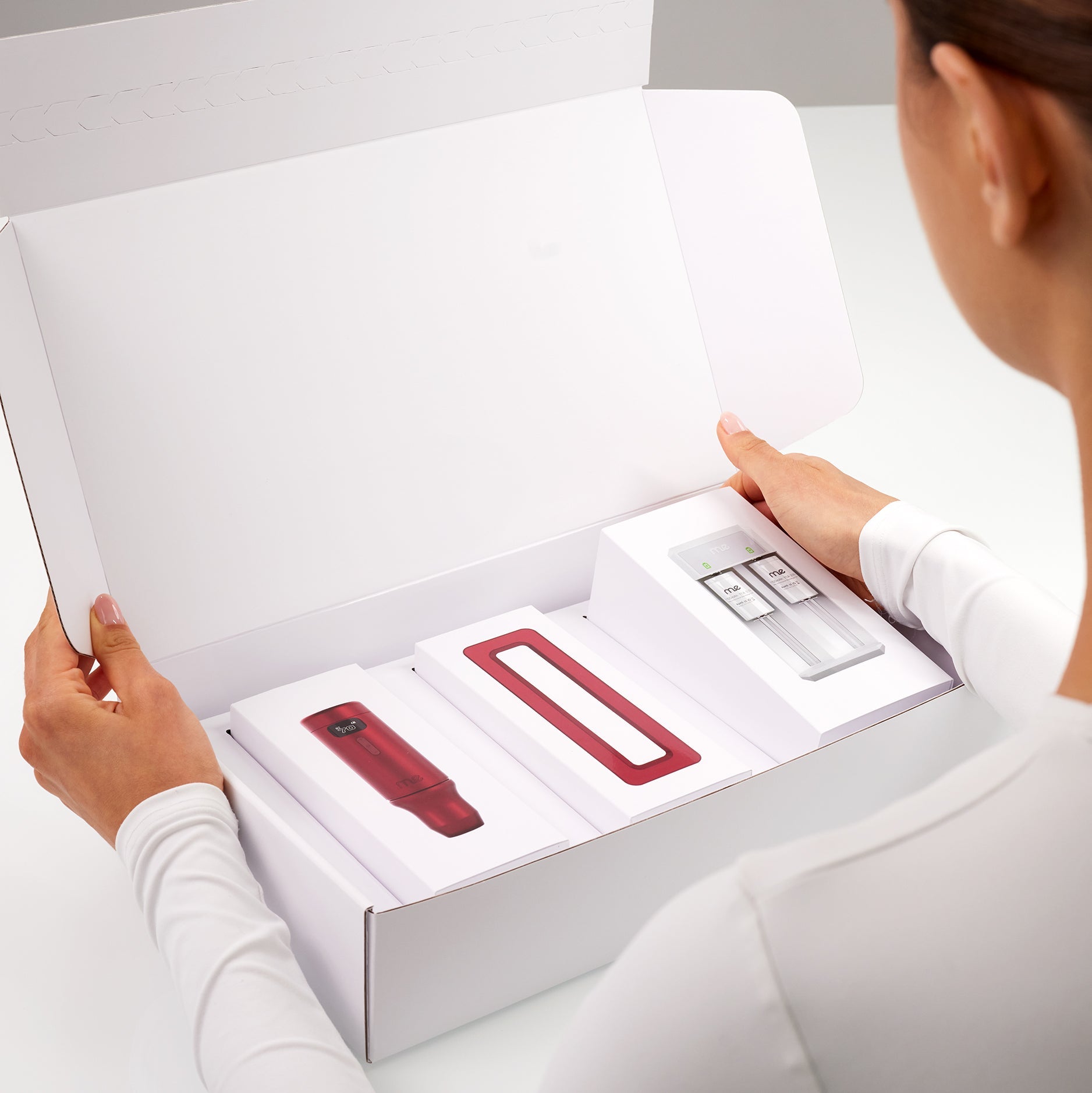
In the case of ME, the device was designed for artists who want to focus on technique, not compensation. The goal was to eliminate the need for unnecessary pressure and ensure a workflow that feels natural, stable, and predictable. The machine takes care of stability and precision, allowing you to focus on needle control and direction of movement.
Technique Over Excuses
Whether your hand is “light” or “heavy,” neither should ever be an excuse for weak results. It’s not only about pressure it’s about control, awareness, and understanding. Mastering your technique and knowing how your device behaves under different conditions is what separates predictable results from accidental ones.
Finding your own sweet spot is not a matter of luck it’s the result of conscious practice and technical understanding.

Leave a comment
All comments are moderated before being published.
This site is protected by hCaptcha and the hCaptcha Privacy Policy and Terms of Service apply.